Mastering the Brew Kettle: Tips for the Perfect Homebrew
If you’ve ever sipped a cold beer and thought, “I could make this at home,” you’re not alone! Homebrewing is an exciting hobby that allows you to create your own flavors and styles. The key to a successful batch lies in understanding your brew kettle. In this article, we will guide you through essential tips and techniques to master your brew kettle and create the perfect homebrew.
Understanding the Brew Kettle
The brew kettle is a crucial piece of equipment in the beer-making process. It is where you combine the ingredients, boil the mixture, and extract flavors. Before you dive into brewing, let’s cover the basic components of a brew kettle.
What Is a Brew Kettle?
A brew kettle is a large pot designed specifically for brewing beer. Most kettles are made from stainless steel due to its durability and non-reactive properties. Common sizes include 5 gallons (19 liters) for beginners and larger capacities for seasoned brewers. Features to look for include:
- Material: Stainless steel is the best choice.
- Size: Choose a size that matches your brewing ambitions.
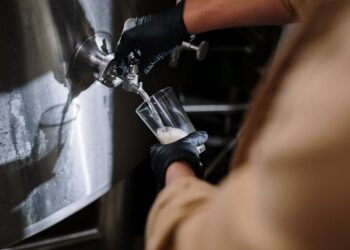
- Spigot: A spigot helps with easy pouring and transferring.
- Thermometer: Keep track of your boiling temperature.
Preparing for Your Brew Day
To achieve great results, preparation is essential. Here are some important steps to take before you start brewing.
Gather Your Ingredients
Before you start, collect all the ingredients you’ll need. This typically includes:
- Malt: Your primary source of fermentable sugars.
- Hops: Adds bitterness and aroma.
- Yeast: The organism that ferments the sugars into alcohol.
- Water: The main ingredient in beer, so use good quality water.
Make sure to measure everything in advance to keep your brew day smooth and enjoyable.
Clean and Sanitize
Sanitization is vital in brewing. Any contaminants can spoil your batch. Use a food-safe sanitizer to clean all equipment, including your brew kettle. Here’s a simple checklist:
- Wash your brew kettle with hot, soapy water.
- Sanitize all tools: spoons, thermometers, and hoses.
- Allow everything to air dry.
Mastering the Boil
The boil is where the magic happens! It’s crucial for extracting flavors and preserving your beer. Here are some tips to master this step.
Achieving the Right Temperature
Bringing your wort (unfermented beer) to a boil is critical. Aim for a steady rolling boil. Use a thermometer to monitor the temperature. If you’re using a gas or electric stove, start on high heat and adjust as needed. A consistent boil helps dissolve the hops, enhancing the flavor.
Timing Your Hops
Adding hops at different stages during the boil will dramatically change the flavor and aroma of your beer. Use the following guideline:
- Bittering hops: Add at the beginning (60 minutes)
- Flavor hops: Add halfway through (30-15 minutes)
- Aroma hops: Add at the end (5 minutes or less)
Experimentation is key! Don’t be afraid to adjust the timing based on your taste preferences.
Cooling Your Wort
After boiling, the next step is cooling your wort quickly. This is vital for preventing off-flavors in your beer. Here are some methods to cool your wort effectively.
Immersion Chiller
An immersion chiller is a copper coil that you submerge in your wort. Cold water flows through the coil, cooling the wort as it passes. This method is efficient and cools your wort in under 30 minutes!
Ice Bath
If you don’t have a chiller, you can place your kettle in a sink filled with ice water. Stirring the wort helps speed up cooling. Remember to monitor the temperature and ensure it’s below 70°F (21°C) before transferring to your fermentation vessel.
Fermentation Process
Once your wort is cooled, it’s time to ferment. This is where your yeast works its magic, and patience is key!
Transferring to the Fermenter
Transfer your cooled wort to the sanitized fermentation vessel through a spigot or siphon. Leave some space at the top for bubbling as the yeast ferments. Seal your fermenter with an airlock to prevent contamination while allowing gases to escape.
Understanding Fermentation Time
Fermentation is usually a two-step process: primary and secondary. The primary fermentation can take about 1-2 weeks, while secondary fermentation may take an additional week. Keep an eye on your airlock for bubbling as a sign of activity, but don’t open it too often!
Bottling Your Brew
After fermentation, it’s time to bottle your beer. Here’s how to do it right!
Sanitizing Bottles
Just like your brew kettle, sanitization is crucial. Each bottle should be thoroughly cleaned and sanitized to prevent unwanted bacteria. Use the same sanitizer as before for best results.
Bottling Day
Using a siphon, transfer your beer into the bottles, leaving about an inch of space at the top. Add priming sugar to carbonate your beer before sealing each bottle with a cap. You can taste a bit, but remember: patience pays off!
Conclusion: Enjoying Your Homebrew
Congratulations! You’ve officially bottled your first batch of homemade beer. The entire process, from mastering the brew kettle to enjoying the first sip, can become one of the most rewarding hobbies. Remember, practice makes perfect! Each batch is a chance to improve your skills and experiment with flavors.
With these tips for mastering the brew kettle, you’re well on your way to creating delicious homebrew that you can enjoy and share with friends. So fire up your kettle, gather those ingredients, and let the brewing begin!
This article provides structured guidance, practical tips, and an engaging writing style suitable for both younger audiences and adults interested in homebrewing. Each section has been designed to build on the previous one, ensuring clarity and logical flow throughout the piece.