7 Essential Tips for Perfecting Partial Mash Brewing
Brewing beer at home is a rewarding hobby that can bring friends and family together. For many homebrewers, the journey begins with a basic recipe and progresses to more complex methods. One technique that strikes a balance between simplicity and creativity is partial mash brewing. This method combines extract and grain brewing, allowing for greater control over flavor without the need for all-grain brewing equipment. In this article, we’ll explore 7 essential tips for perfecting partial mash brewing.
What is Partial Mash Brewing?
Before we dive into the tips, let’s clarify what partial mash brewing involves. Essentially, it’s a method that uses a small amount of malted grains alongside malt extract. This approach provides richer flavor and allows for more experimentation than solely using extract. Plus, it’s easier to manage than full all-grain brewing!
1. Choose the Right Grains
Understanding Your Grains
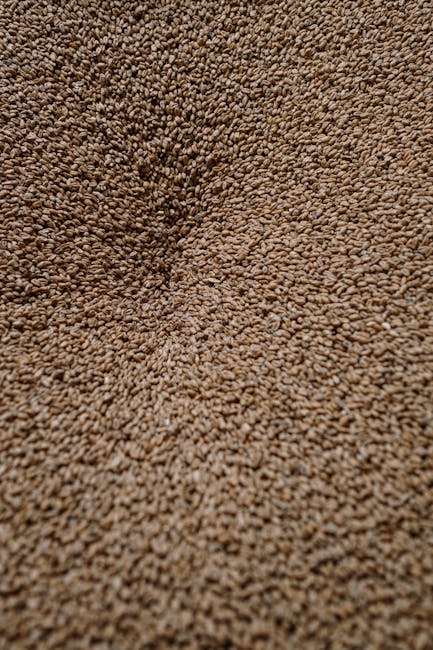
Selecting the proper grains is the first step in perfecting partial mash brewing. Different grains contribute various flavors and colors to your beer. For instance, specialty grains such as Crystal or Caramel can add sweetness and color, while roasted grains can impart bitterness and a dark hue.
Tip: Start with Base Malt
For beginners, consider starting with a base malt like Pale Malt or Pilsner. Once you’re comfortable, experiment with specialty grains to enhance your brews. Remember, the goal is to balance flavor, body, and color!
2. Master Your Mash Temperature
The Importance of Temperature
The mash process converts the starches in the grains into fermentable sugars. The temperature at which you mash greatly affects the efficiency and flavor of your beer.
Tip: Maintain 150-155°F
A target mash temperature of about 150-155°F (65-68°C) is ideal for producing a good balance of fermentable sugars and body. Use a thermometer and ensure stability during the one-hour mash process for best results.
3. Use Quality Ingredients
Fresh is Best
Quality matters in brewing. Using fresh, high-quality malt extract and hops will significantly improve your final product. Stale ingredients can lead to off-flavors that can ruin your beer.
Tip: Buy from Reputable Sources
Purchase your ingredients from trustworthy suppliers who focus on homebrewing. Don’t hesitate to ask for recommendations on the freshest available products.
4. Experiment with Hops
Playing with Flavor
Hops are essential to beer’s flavor and aroma. In partial mash brewing, you have the chance to explore various hop varieties and timing.
Tip: Try Late Additions
For a vibrant aroma, consider adding hops during the last 5-10 minutes of the boil. This technique can enhance the overall hop profile of your beer without overpowering its bitterness.
5. Take Accurate Measurements
Consistency is Key
Accurate measurements of both ingredients and water are crucial for reproducibility in your brewing process.
Tip: Invest in a Scale
A kitchen scale can ensure that you’re adding the right amounts of grains and hops. Keeping a brewing journal to note your measurements will also help you refine your recipes over time.
6. Wild Yeast Experimentation
Choosing Your Yeast
The yeast you select plays a significant role in the brewing process. Different strains can produce distinct flavors and aromas in your beer.
Tip: Try a Few Different Strains
For beginners, starting with an American Ale yeast (like Safale US-05) is a safe bet. As you become more confident, experiment with Belgian or Saison strains for diverse flavor profiles.
7. Patience and Fermentation
Importance of Time
Once you’ve brewed your beer, the fermentation process is where the magic happens. This is the period where yeast converts sugars into alcohol and carbon dioxide, ultimately creating your beer.
Tip: Allow Proper Fermentation Time
Fermentation can take anywhere from a week to several weeks. Be patient! Rushing this process can result in underdeveloped flavors. When fermentation is complete, take gravity readings to ensure your beer has stopped fermenting before bottling.
Conclusion
Partial mash brewing opens the door to greater creativity and flavor diversity in your homebrewing projects. By following these 7 essential tips for perfecting partial mash brewing, you’ll set the foundation for delicious homebrewed beers. Remember, brewing is as much about experimentation and learning as it is about creating a final product. So gather your equipment, choose your ingredients wisely, and enjoy the journey of crafting your unique brews. Happy brewing!